Proof of the Gaussian Integral Using the Wallis Integral
Proposition
The following holds:
Proof
Lemma
For
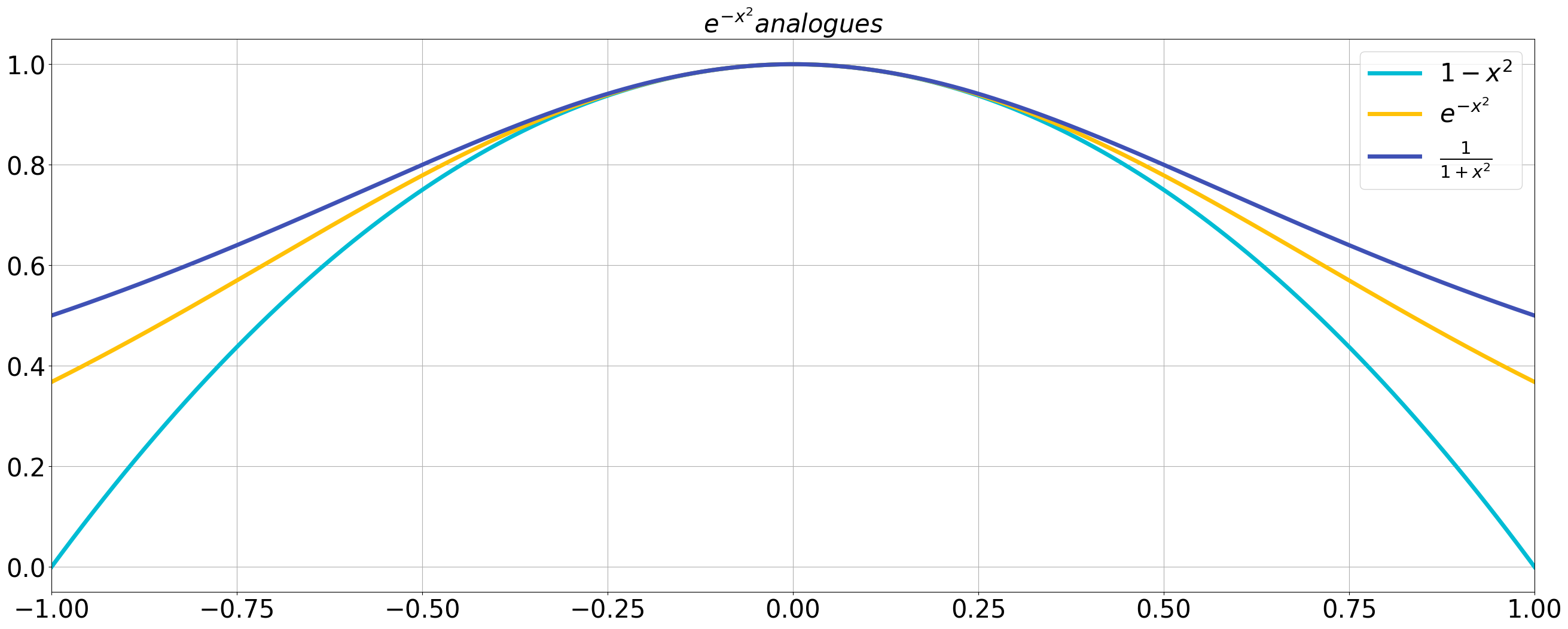
Proof of the lemma
For
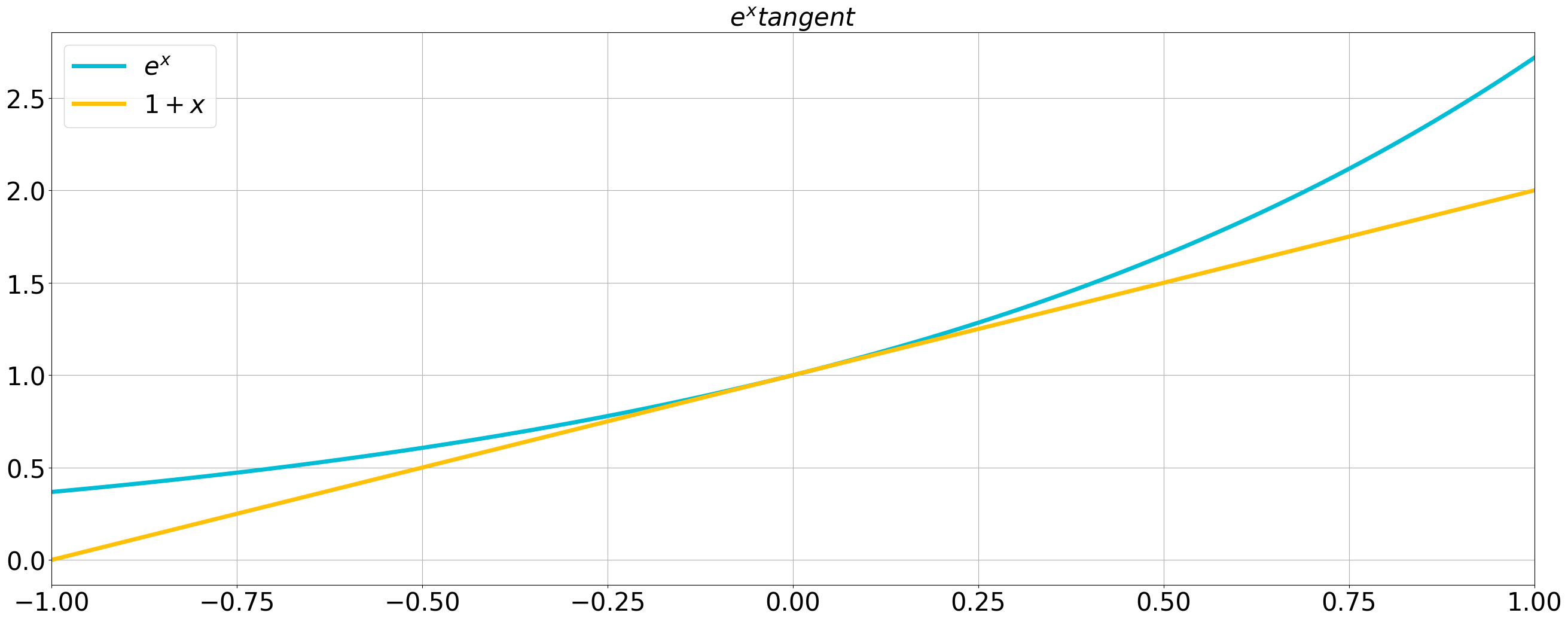
In fact, the right-hand side is the Taylor expansion truncated after the second term of the left-hand side,
representing the tangent line of
Since
Therefore,
By substituting
Also, substituting
Substitution in the Wallis Integral
Consider the Wallis integral
Substitution
By subsituting
Substitution
By subsituting
Evaluation of the Gaussian Integral
Let
By substituting
From the lemma,
Since the leftmost and rightmost terms are in the same form as the Wallis integral after substitution, we ultimately have:
As seen from Wallis' Formula,
so,
Therefore,
Adjustment of the Integration Interval
Since the integrand is an even function,
Thus, the result is proved.